Why Handmade Ceramics Are Better Than Machine Made Ones
Handmade Ceramics vs Machine Made: Why Handmade Is Better
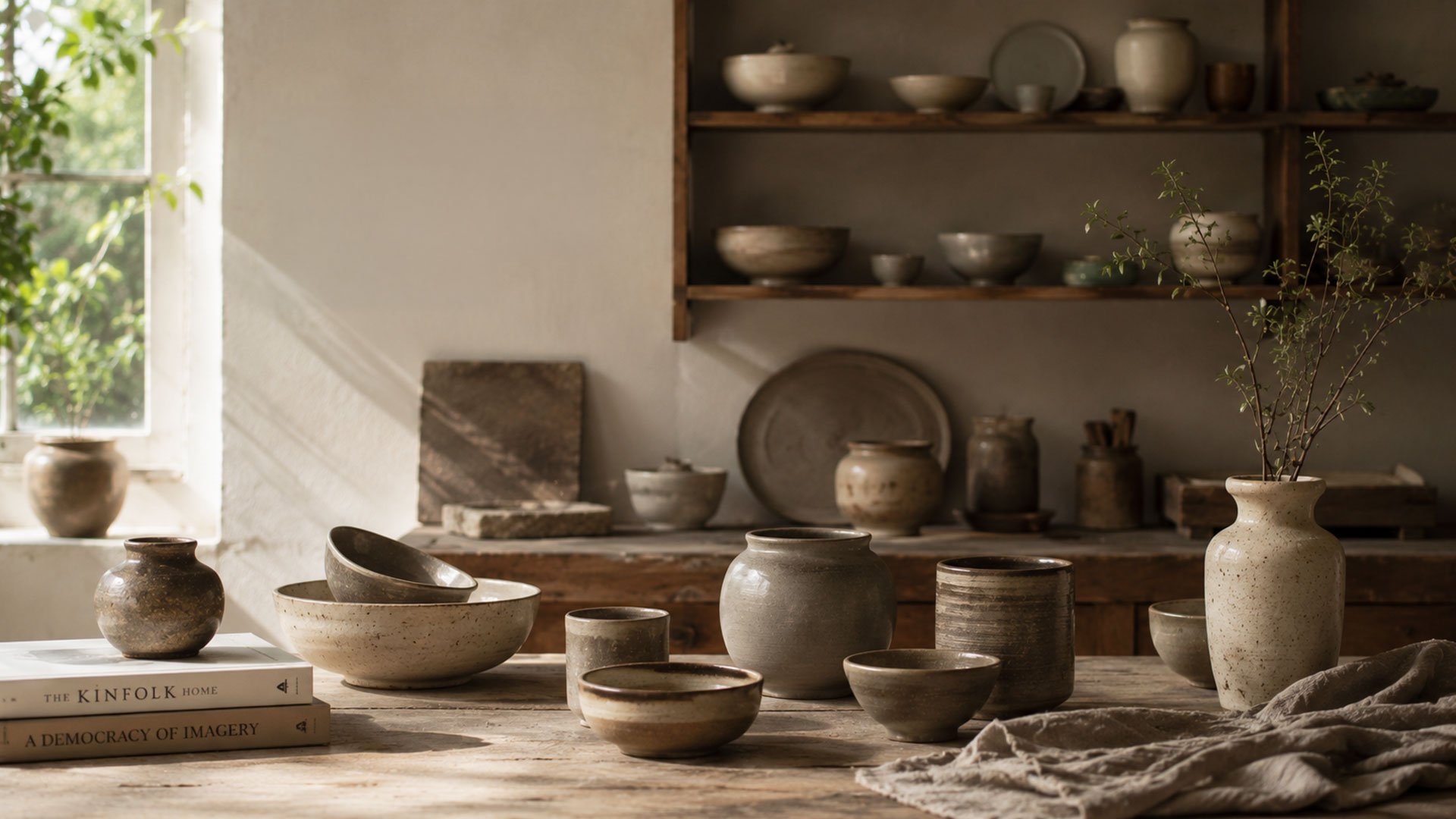
Pick up a factory-made ceramic bowl and a hand-thrown one.
You can tell the difference before you even look closely. There is a weight distribution in a hand-thrown piece that no mould replicates.
A slight variation in the wall thickness. A base that sits with the quiet confidence of something that was made, not produced.
That difference is not sentimental. It is physical.
Table of Contents
- Handmade ceramics vs machine-made
- How the making process affects ceramic quality
- Why handmade ceramics feel more personal and distinctive
- The role of sustainability in handmade vs factory production
- Price vs value: what you are actually paying for
- How Casa Carigar brings artisanal ceramics into modern homes
Handmade Ceramics vs Machine-Made
The comparison is not really about which looks better in a photograph.
Both can photograph well. Both hold water. Both sit on a shelf.
The distinction is in what they are made of, how they were made, and what that means for the object you are actually bringing into your home.
Craftsmanship vs Automation
A machine-made ceramic starts as slip, liquid clay poured into a plaster mould that absorbs the moisture and releases a uniform form.
Every piece from that mould is identical. The consistency is the point. It is also a limitation.
A hand-thrown ceramic begins on a wheel, with a mound of clay and a pair of hands that have spent years learning how clay moves.
The potter centres the clay, opens it, and pulls the walls upward. Every decision is made in real time.
The form that emerges is the result of accumulated judgment, not a predetermined specification.
Artisan pottery vs factory-made is sometimes framed as a choice between character and reliability. That framing is wrong.
A well-made hand-thrown piece is entirely reliable. It is also something a machine cannot produce: singular.
How the Making Process Affects Ceramic Quality
The handmade vs. machine-made ceramic quality debate starts with the clay body itself.
Factory production uses standardised clay formulations optimised for moulds and high-volume kilns.
The material is consistent because consistency is what the process requires. Hand-built and wheel-thrown ceramics often use clay bodies selected for how they respond to a particular technique, how they take a glaze, and how they behave at specific firing temperatures.
A stoneware body chosen for its iron content will produce a different fired surface than one chosen purely for workability. Those decisions are aesthetic and technical simultaneously.
Glazing is where the differences become most visible. Industrial glazes are applied by spray or dip for uniformity.
Handmade pottery advantages include the ability to apply glaze by hand, to layer it, to leave areas unglazed, and to let the clay body show through at the foot. The variations that result are not accidents.
They are the fingerprints of a process.
Firing matters too. A hand-thrown piece fired in a wood kiln or an anagama develops surface effects from flame and ash that no electric kiln produces. The marks are part of the object's character, not departures from it.
Why Handmade Ceramics Feel More Personal and Distinctive
There is a word in Japanese: wabi. It describes the beauty found in imperfection, in the transient, in the incomplete.
Unique ceramic pieces handmade carry wabi in a way that factory production structurally cannot.
A slight asymmetry in a hand-thrown cup. A glaze that broke differently on one side of a vase because the heat was uneven in that part of the kiln.
A thumb mark left in the clay at the base, pressed there by the potter during trimming.
These are not flaws. They are the record of a human being deciding on an object. The Artisan's Signature You Didn't Notice makes precisely this point: the quiet, unrepeatable marks embedded in handmade work are not incidental to its value. They are its value.
When you bring a handmade ceramic into a room, you are not buying a product that came off a line.
You are bringing in an object that is, in the strictest sense, irreplaceable. The mould does not exist because there was no mould.
There is this piece, and pieces like it, but not another one exactly like it.
That distinction has a value that is difficult to quantify and impossible to fake.
The Role of Sustainability in Handmade vs Factory Production
Sustainable ceramic production is another argument for the handmade, though it is worth being specific about it.
Factory ceramic production requires significant energy for continuous kiln operation, water for slip casting, and chemical inputs for industrial glazes. The scale of production generates waste in proportion to its volume.
Artisan workshops operate differently. Smaller kilns fired less frequently. Clay reclaimed from trimmings and failed pieces.
Natural ash glazes developed from materials already present in the process. Traditional wood-firing kilns, common in craft ceramic traditions across India, use organic material and produce results that industrial kilns cannot approach.
This is not sustainability as a marketing term. It is what happens when a workshop has been working with the same materials in the same place for generations and has learned not to waste what it has.
Price vs Value: What You Are Actually Paying For
Why do handmade ceramics cost more? The direct answer is time.
A hand-thrown terracotta vase from a studio like F Six Homes represents hours of work across multiple stages: wedging, throwing, trimming, drying, bisque firing, glazing, and final firing.
Each stage requires skill and attention. None of it compresses. Their handmade terracotta pieces are coated with unstable compounds that collapse unevenly during kiln firing, generating a cratered, lunar-like surface on pieces like the Moonscape Apple Pot that a machine could never replicate.
A factory-made equivalent at a fraction of the price represents minutes of automated production, a consistent material, and a form that was designed to be reproduced without variation.
Ceramic durability, handmade vs machine-made, is also worth considering.
A well-fired stoneware piece is dense, non-porous, and resistant to chipping in a way that slip-cast earthenware is not.
The firing temperatures reached in quality hand-production often exceed those of factory lines, producing a harder, more vitrified body.
What you are paying for, honestly assessed, is an object that will last decades, looks better as it is handled, and cannot be replaced with an identical copy when it is gone.
That is not expensive. That is accurate pricing for what the object actually is.
How Casa Carigar Brings Artisanal Ceramics into Modern Homes
The conversation about handcrafted ceramics in India has always had a supply side.
The blue pottery studios of Jaipur, the terracotta traditions of Rajasthan and Bengal, the stoneware workshops of the South: the makers were always present.
What was missing was the infrastructure to make their work visible to the homes that deserve it, and a platform that could articulate what the work actually is.
Casa Carigar's ceramic selection is curated by invitation. Every maker is audited. Every piece is specified honestly: clay body, glaze composition, firing method, workshop provenance.
That is a direct expression of the platform's core belief that mass production is an absence, and that the traditional methods behind each piece are worth preserving, not rounding off.
The studios reflect that conviction at every level. F Six Homes explicitly rejects the flat, clinical uniformity of industrialised home accessories in favour of an organic visual language of unrefined surfaces and elemental honesty.
Milimeter takes the human trace further still: their Pinched Cups carry subtle waves in the rim and sidewall formed by manual finger pressure, while their Kurinuki Teacup is carved from a single solid block of stoneware using hand tools, producing a rugged, architectural form that stamped production cannot approach
Their natural clay is sourced free from industrial stabilisers, and their Indus Copper Glaze oxidises and shifts in tone over time, recording the touch of whoever uses it.
Anantaya brings handmade craft into functional territory entirely of its own: their Maahi Kool Bottle uses the natural porosity of locally sourced red clay, pairing a glazed interior with a raw terracotta exterior to cool water through evaporation, without a single industrial input.
These are not decorative decisions. They are positions. The object on your shelf is the result of someone choosing to make it this way, and a platform choosing to carry work made no other way.
Explore the collection at casacarigar.com.
FAQs
Are handmade ceramics better than machine-made ceramics?
Handmade ceramics offer a level of character, craftsmanship, and individuality that machine-made pieces rarely achieve. Their subtle variations and artisanal details make them feel more personal and enduring within a thoughtfully designed home.
Why do handmade ceramics cost more?
Each handmade ceramic piece passes through multiple stages of skilled craftsmanship, from shaping and glazing to firing and finishing. The price reflects the time, expertise, and care invested in creating something truly unique.
Are handmade ceramics stronger or more durable?
When crafted and fired correctly, handmade stoneware and porcelain can be exceptionally durable. Their dense construction and high-quality materials allow them to withstand everyday use while ageing beautifully over time.
How can you identify handmade ceramics?
Look for subtle variations in shape, texture, and glaze, along with details such as wheel marks or a maker's signature. These small imperfections are often the clearest signs of authentic craftsmanship and human touch.
Casa Carigar
From the Casa Carigar workshop