How to Protect Wooden Furniture from Termites in Indian Homes
How to Protect Wooden Furniture from Termites in India
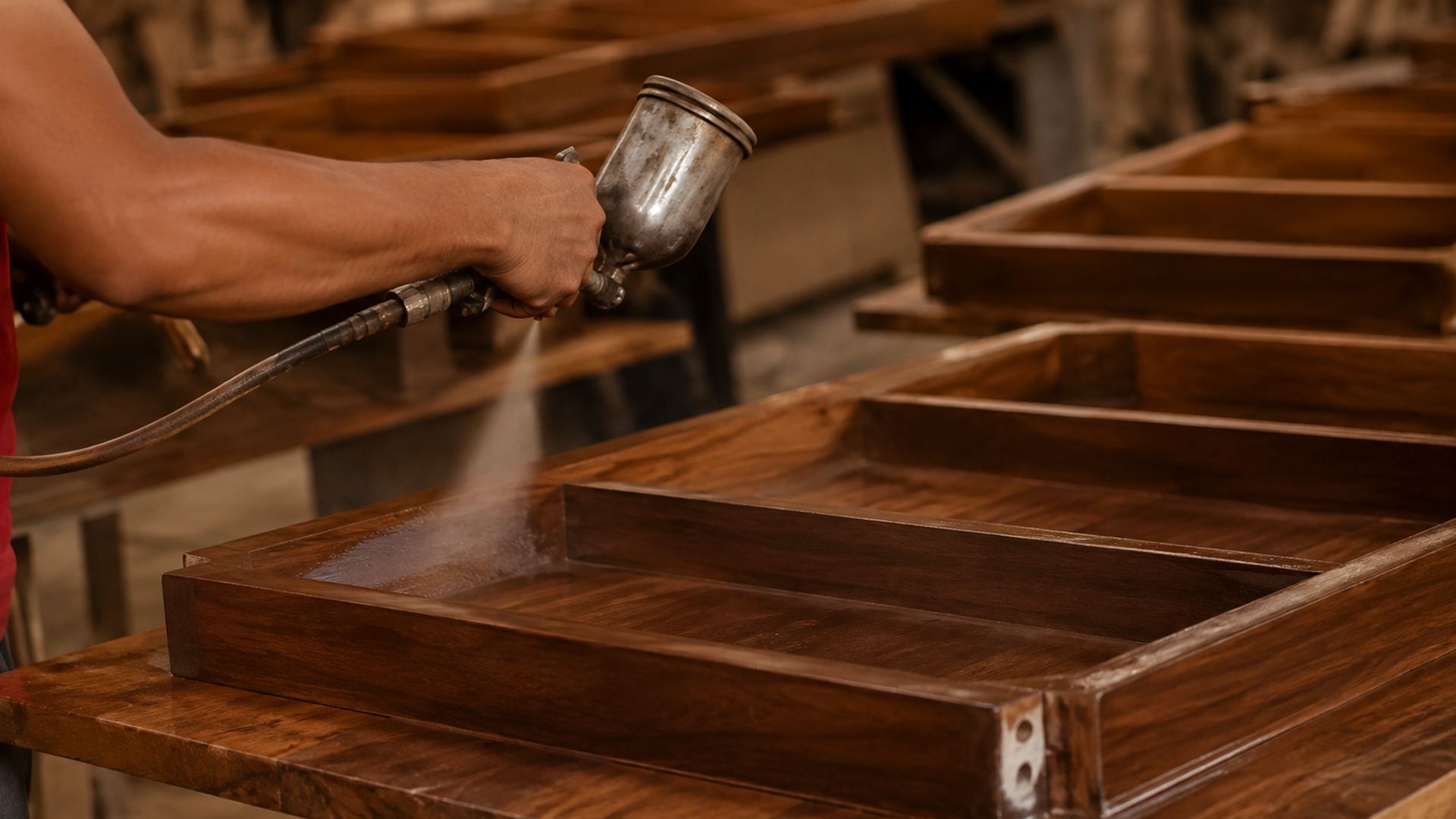
Termites do not announce themselves. They work quietly, inside the wood, while you are busy admiring the finish on the outside.
By the time you notice, the damage is usually already done.
This guide covers how to protect wooden furniture from termites, from spotting the first warning signs to choosing wood that was built to resist them in the first place.
Table of Contents
- Why Termites Are a Serious Threat to Wooden Furniture
- How to Spot Early Signs of Termite Damage
- Keep Wooden Furniture Dry to Discourage Termites
- Why Ventilation and Humidity Control Matter
- How to Protect Furniture During Storage and Monsoon
- Termite Treatments for Wooden Furniture Explained
- Which Woods Are More Resistant to Termite Damage
- When to Call a Professional for Termite Infestation
- Common Mistakes That Make Wooden Furniture Vulnerable
- How Casa Carigar Approaches Long-Term Wooden Furniture Care
- Conclusion
- FAQs
Why Termites Are a Serious Threat to Wooden Furniture
Termite prevention does not begin with a spray can. It begins at the sourcing stage, long before the piece ever enters your home.
Cheap, mass-produced composite boards, the low-grade MDF and particle board found in most budget furniture, are essentially termite bait.
They are made of loosely packed wood fibres and binders that trap moisture easily, giving termites exactly the damp, soft material they look for. Solid hardwood, by contrast, is dense and far less hospitable.
This is the thinking behind Casa Carigar's manifesto, which puts it plainly: solid teak from Mysuru, brass from Moradabad, cane from Coimbatore, each piece built by the material, mass production absent by design.
Our editorial piece The Artisan's Signature You Didn't Notice goes further into why this matters. Workshops that carve by hand inspect lumber closely and slowly, catching insect pathways long before a factory line ever would.
How to Spot Early Signs of Termite Damage
Catch it early, and the damage stays cosmetic. Miss it, and you lose the piece.
- Hollow-sounding wood when tapped, even if the surface looks fine
- Small, pin-sized holes or fine sawdust-like powder near joints
- Mud tunnels running along legs, skirting, or the underside of a piece
- Sagging or blistered wood surfaces that were previously flat
- Discarded, papery wings near windowsills or furniture legs
If you notice more than one of these at once, treat it as urgent, not incidental.
Keep Wooden Furniture Dry to Discourage Termites
Moisture is the invitation. Remove it, and you remove most of the risk.
Raw, unseasoned wood holds internal dampness that termites are drawn to instinctively.
This is why proper kiln drying and seasoning during production matter more than most buyers realise, and why it is worth asking a maker how their timber was treated before assembly.
Some workshops back this with real accountability. b.form studio treats its timber with defensive, non-toxic anti-borer solutions during production and stands behind it with a 36-month warranty on solid and engineered wood frames against cracking, warping, or structural failure.
That kind of guarantee tells you the seasoning was done properly, not rushed.
Why Ventilation and Humidity Control Matter
Stagnant, humid air around furniture creates the exact microclimate termites thrive in.
- Keep furniture a few inches away from damp walls
- Use dehumidifiers or exhaust fans in rooms with poor airflow
- Avoid placing wooden pieces directly against bathroom or kitchen walls
- Let sunlight and cross ventilation reach furniture periodically
None of this is complicated. It simply requires treating airflow as part of furniture care, not an afterthought.
How to Protect Furniture During Storage and Monsoon
Monsoon is when most termite problems begin, even if you only notice them months later.
In high humidity zones like entryways, balconies, and coastal corridors, wood carries real risk. It helps to blend timber with materials that are simply immune to the problem.
Nara Livin works in Moradabad with forged iron, aluminium, and brass, materials completely unaffected by termites, backed by a 6-month structural warranty.
For open patios facing direct monsoon rain, The Garden Room's Passa Lounger Set uses faux wood anodised aluminium, hand-finished to mimic the warmth of real wood grain while staying fully immune to termite decay and rot.
If solid timber outdoors is non-negotiable, their Refolo Lounge Set repurposes dense, seasoned wood salvaged from old railway sleepers, timber that has already survived decades of weathering and proven its resistance to both rot and insects.
Termite Treatments for Wooden Furniture Explained
Not every homeowner wants harsh pesticides sprayed across furniture they live with daily, and increasingly, they should not have to.
- Non-toxic, borer-resistant oils applied during production seal wood without chemical residue
- Low VOC natural oils and traditional melamine polishes protect against moisture while keeping the wood's natural pores intact, an approach The Studio Grain uses across its collections
- For nurseries and children's rooms, toxin-free coatings matter even more. Waddle & Roo's cots, including the Treasure Cot and Buddy Cot, comply with European EN-71 child safety standards, using lead-free organic paints and wipe-clean coatings that block moisture without any risk to a teething infant
Which Woods Are More Resistant to Termite Damage
Some hardwoods simply do not appeal to termites, thanks to natural oils and dense grain that make the wood harder to digest.
- Himalayan teak, used by The Studio Grain as a solid FSC-certified core, carries high natural oil content and tight ring patterns that resist water, warping, and termite attack
- Shisham, or Indian rosewood, seen in AKFD Studio's Howard Arm Chair, is dense and high tensile, naturally resistant to dry wood termites and decay
- Dense hardwoods like Ash, Teak, and Wenge, used across Home of Chirmi's frames, are chosen specifically to avoid engineered substrates and guarantee both structural durability and pest resistance
When to Call a Professional for Termite Infestation
Home remedies help with prevention, not active infestation. If you spot mud tunnels, hollow sounds across multiple pieces, or visible structural sagging, call a licensed pest control professional immediately. Delaying this rarely saves money. It usually costs the piece entirely.
Common Mistakes That Make Wooden Furniture Vulnerable
- Choosing composite board furniture because it costs less upfront
- Storing furniture directly against damp exterior walls
- Ignoring small holes or dust because the damage seems minor
- Skipping professional inspection after visible signs appear
- Placing raw, untreated wood outdoors without weatherproofing
How Casa Carigar Approaches Long-Term Wooden Furniture Care
We do not think of termite resistance as an afterthought bolted onto a finished piece. It starts with which log gets chosen, which workshop seasons it, and how much time a craftsman is given to work with it properly.
Our manifesto exists because of exactly this belief: that mass production removes the very care that keeps furniture alive for decades.
Conclusion
Termite damage is rarely dramatic until it suddenly is. The real protection happens quietly, in the choice of wood, the seasoning process, and the small daily habits around moisture and airflow.
Choose furniture that was built to resist the problem from the start, and the rest becomes maintenance rather than emergency.
FAQs
How do I protect my wooden furniture from termites?
Keep furniture dry, ensure good ventilation around it, and choose solid hardwood over composite boards from the start. Regular inspection catches early signs before they become structural problems.
What is the best treatment for termites in wooden furniture?
Non-toxic borer-resistant treatments applied during production work best as prevention. For active infestations, a licensed pest control professional should handle chemical treatment rather than home remedies.
Which wood is least likely to get termites?
Dense hardwoods with high natural oil content, such as teak, Shisham, and Wenge, are naturally more resistant than softer woods or engineered composites.
How can I tell if my furniture has termites?
Look for hollow-sounding wood, fine sawdust near joints, mud tunnels along the surface, and discarded wings nearby. More than one of these signs together usually means active infestation.
Casa Carigar
From the Casa Carigar workshop