Why Handwoven Rugs and Cushions Are the Easiest Way to Change How Your Home Feels
Handwoven Rugs for Indian Homes: Why Textiles Change Everything
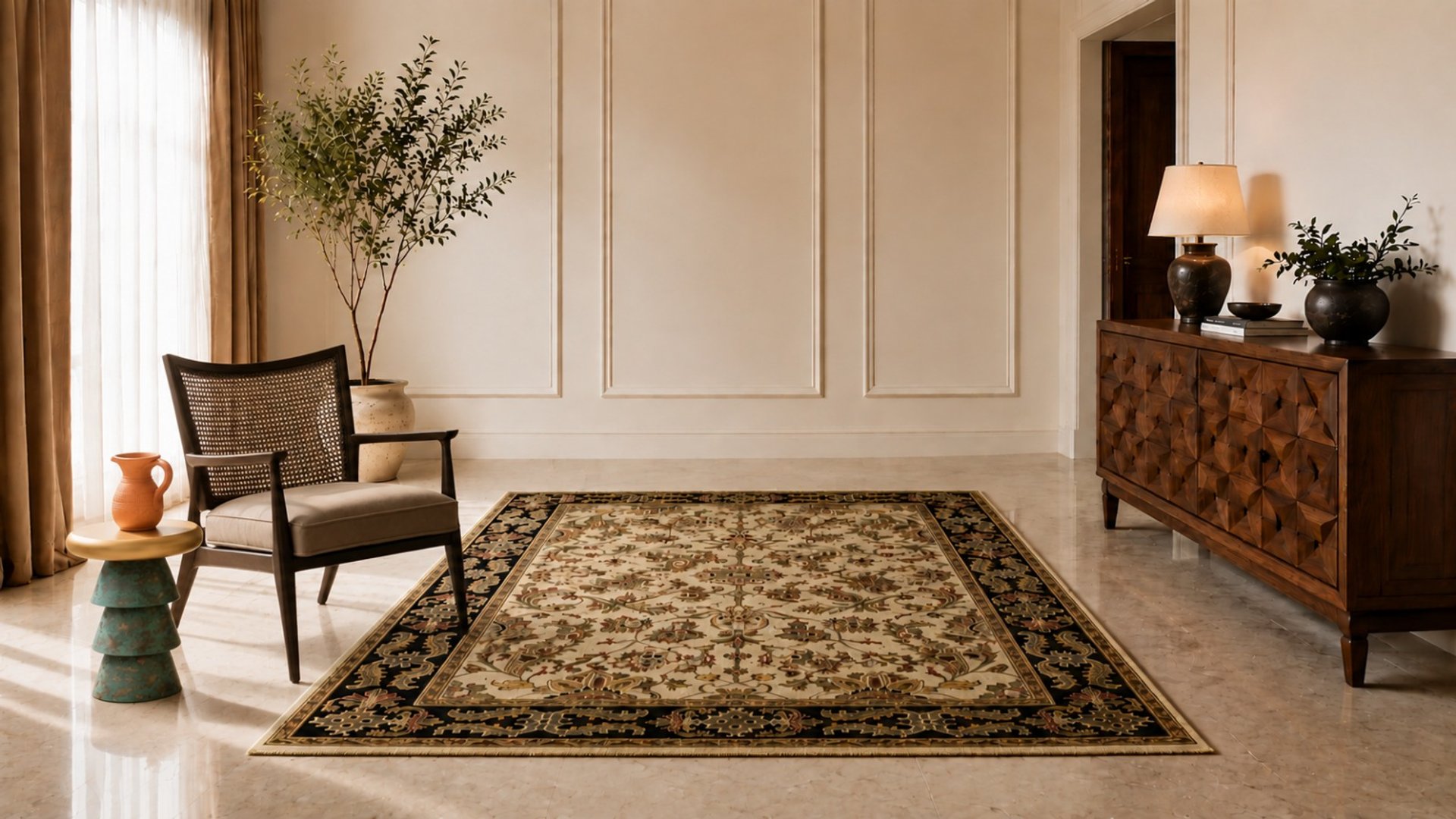
You don't need to renovate your home. You need a rug and some handcrafted cushions.
A handwoven rug grounds a room. Cushions make it livable. Together, they transform how a space feels. Not how it looks. How it feels.
Most people wait for big changes. New furniture. New walls. But textiles work faster and quieter. They change everything about how you experience a room without requiring contractors or weeks of disruption.
Why Soft Furnishings Define the Mood of a Home
Here's what nobody talks about: soft furnishings are the emotional core of a room.
Paint is visual. Furniture is structural. But textiles? Textiles are what make you want to stay.
A layered interior styling approach using rugs and cushions changes how a space feels, not just how it looks. You sit on something soft. Your feet touch something warm. When you walk into a room with a good rug and thoughtfully placed cushions, your nervous system relaxes.
This is why handwoven rugs for Indian homes have made a comeback. People finally understand that comfort isn't lazy. It's intentional.
The Timeless Appeal of Handwoven Rugs in Indian Interiors
Handwoven rugs aren't trendy. They're timeless.
Indian weaving traditions span centuries. Banaras silks. Jodhpur durries. Kashmir carpets. Each region has its craft. When you choose handwoven rugs for Indian homes, you're choosing to live with centuries of knowledge.
Artisan woven rugs carry the hand of the maker. Variations. Imperfections. Character that machines can't replicate. Because machines can't think. They can't adjust.
Our soft furnishings collection features timeless home textiles built for decades of living.
Understanding Materials: Wool, Cotton, Jute, and Natural Blends
Natural fiber rugs in India are having a moment because they work.
Wool breathes. Jute has texture. Cotton softens. These materials age beautifully. They don't peel or fade like synthetics.
Jute and cotton rugs are practical for real life. Easy to clean. They work in high-traffic spaces. What matters is that when you choose loom-woven textiles made from natural materials, you're choosing something that improves with time. A wool rug walked on for five years looks richer than day one.
How Cushions Add Depth, Comfort, and Visual Balance
A sofa is just furniture without cushions.
With handcrafted cushions, it's a place you want to be. They add comfort, color, and visual balance. Throw three cushions on a plain sofa, and suddenly there's dimension.
Cushions are flexible. Swap them seasonally. Change colors without redecorating. This is where layered interior styling works in practice.
The Craftsmanship Behind Indian Handloom and Weaving Traditions
A handwoven rug takes time because it should.
Heritage textile craftsmanship means the weaver makes decisions the entire time. Tension in the loom. Color placement. Pattern correction. When something goes wrong, they fix it. When something needs adjustment, they adjust it. A machine can't do that.
This is why sustainable home décor textiles matter. They last because they were built properly. Built to be fixed if needed. Built to improve with use, not deteriorate.
Browse our brands to see who does this work right. People who understand that shortcuts show up immediately in a handwoven rug.
Layering Textiles to Transform Living Rooms and Bedrooms
Layering isn't complicated. A rug. Throw cushions. Maybe a wall textile.
In a living room, a rug grounds the seating area, then cushions add softness and color. In a bedroom: a rug next to the bed, a throw across it, and cushions. The magic happens when you add texture without overthinking it.
Layered interior styling is about creating depth and warmth, not creating a show.
Common Mistakes to Avoid When Styling Rugs and Cushions
Don't match everything. Uniformity kills character. Mix colors and textures instead.
Don't buy too small. A rug should ground the seating area, not hide under it.
Don't treat handwoven pieces as precious. They're built for living. Use them.
Caring for Handwoven Textiles to Preserve Their Character
Handwoven textiles are tougher than they look.
Vacuum regularly. Rotate your rugs occasionally. When you spill something, blot it immediately instead of rubbing. For stubborn stains, professional cleaning is worth it.
The character in a handwoven rug develops through use. A rug that's lived with looks richer after years than it does on day one. That's the story you want.
Conclusion
Your home doesn't need to be perfect. It needs to feel like something.
Handwoven rugs for Indian homes do that. Handcrafted cushions do that. Textiles do the work furniture can't.
Start with one rug. One set of cushions. Layer from there. That's all it takes to transform how a space feels. Not because you renovated. Because you finally made it a place to live in.
Find a rug that speaks to you. Find cushions that add warmth. Start with our collection. That's where the transformation begins.
FAQs
Why are handwoven rugs better than machine-made?
Handwoven means individual decisions at every step. Weaver-made adjustments create durability and character. Machine-made prioritizes speed.
How do I choose the right size rug?
Front legs of furniture should sit on the rug, not next to it. For living rooms, 8x10 is a safe standard.
Can cushions really change a home?
Yes. They add color, texture, and comfort. Change them seasonally if you want. They're the easiest refresh.
Which materials are best for handwoven rugs for Indian homes?
Wool for durability. Jute and cotton for breathability. Many blend materials for the best of both worlds.
Casa Carigar
From the Casa Carigar workshop