What Is Biophilic Design and Why Indian Homes Are Built for It
What Is Biophilic Design? Why Indian Homes Have Always Embraced It
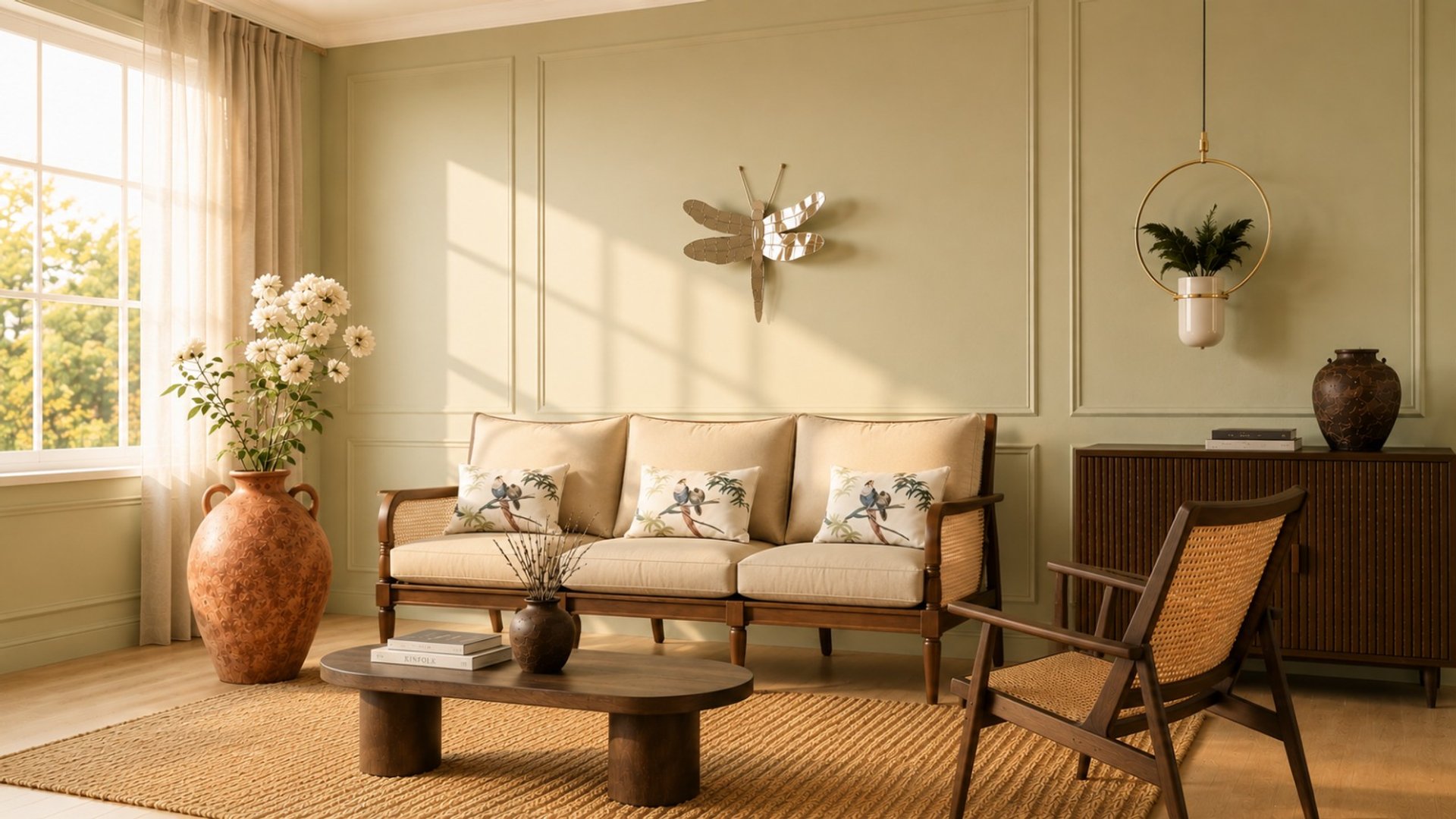
Your body knows when a room is alive.
You don't need a name for it. You walk in, and your shoulders drop. Your breathing slows. Light comes through differently. Air moves. Plants are there. Wood is warm. What is biophilic design is just this: the science of what your body already understands.
What Is Biophilic Design and Why It Matters Today
Biophilic design is the integration of nature into built spaces.
It's not plants in corners. It's not nature as decoration.
It's designing spaces so fundamentally connected to natural systems that living in them feels like coming home. The term is new. The practice is ancient.
Studies now prove what Indian grandmothers always knew. Rooms with natural light, natural materials, and connection to plants reduce stress.
They improve sleep. They make you want to be there. What is biophilic design at its core is an answer to a question nobody asked: how do we stop living against nature and start living with it?
How Traditional Indian Homes Naturally Embrace Biophilic Principles
Indian homes were never trying to be biophilic. They just were.
A courtyard pulls light to the center. Verandahs create transitions between inside and outside. Thick walls keep homes cool naturally.
Jali screens filter light and airflow. These weren't trends. They were solutions that aligned with nature.
Understanding how India's 1930s architecture influenced modern furniture shows that this connection is foundational. Indian architectural heritage built courtyards before biophilic became a word.
They used organic interior design principles long before sustainability was trendy.
The Core Elements of Nature-Inspired Interior Design
Nature-inspired interiors have consistent patterns.
Light is the foundation. Not artificial light. Actual sunlight moving through a room. Rooms designed around light feel different at every hour.
Water introduces rhythm. Sound. Movement. Even a small fountain changes the air quality.
Plants that grow and increase oxygen.
Natural materials. Wood that ages. Stone that weathers. Fabric that softens with use.
Indoor-outdoor living happens when walls become permeable. Doors that open fully. Boundaries that blur.
Why Natural Materials Create Healthier and More Timeless Spaces
A room filled with plastic doesn't age well. It deteriorates.
A room built from natural materials ages beautifully. Wood darkens. Fabric develops patina. Stone softens.
Sustainable home design is actually just design that lasts. Natural materials in interiors improve with time. They don't require replacement.
They require attention. This wellness-focused design approach makes houses into homes. Visit Casa Carigar's furniture collection to find pieces made from materials that age well.
The Role of Handcrafted Furniture in Biophilic Interiors
Mass-produced furniture is neutral. It carries no energy.
Artisan-crafted furniture is different. Each piece knows it was made by hand. Wood grain variations, hand-cut joints, and finishes left by human touch. Your body registers the difference.
The Studio Grain creates biophilic home décor that's more than furniture. Each piece teaches a room how to breathe.
Bringing Light, Air, and Greenery into Modern Indian Homes
Modern Indian homes sacrifice what traditional ones got right.
Bring light back. Windows facing the morning sun. Light wells. Skylights, if possible. Rooms designed around natural light, not light switches.
Air circulation matters. Cross ventilation. Open floor plans. Fans that move air, not air conditioning that deadens it.
Greenery isn't optional. Windowsill plants. Vertical gardens. Small trees if space allows. Look at natural fiber textiles for layered biophilic spaces.
Common Misconceptions About Biophilic Design
Biophilic design doesn't mean your home becomes a jungle.
It doesn't mean minimalism is wrong. Fewer pieces in natural materials, with light and air prioritized, are biophilic too.
It's not trendy or expensive if you're thoughtful.
It's not about filling rooms with plants and calling it nature connection. It's about designing so nature is integral, not cosmetic.
Creating a Home That Feels Connected to Nature Every Day
Start with one room. Observe the light in that room at different times.
What materials are already there? What smells. What sounds. Begin there. Add one natural material. Wood. Stone. Cotton. Linen. One piece of live greenery. One change to how light enters.
Pay attention to how your body responds. This is the real measure. Not magazines. Not trends. Your body knows biophilic design when it feels it. Timeless home interiors are built on this recognition, on trusting what your nervous system is telling you.
The philosophy behind Casa Carigar's curation is rooted in this idea. That's what lasts: what connects. What matters is what feels alive.
FAQs
What is biophilic design in simple terms?
Building spaces that connect you to nature. Light. Plants. Natural materials. Air movement. Design that makes you feel alive instead of numb.
What are the main principles of biophilic design?
Natural light. Natural materials. Plants. Water. Views of nature. Airflow. Connection to natural cycles. Spaces that age beautifully rather than deteriorate.
How can I incorporate biophilic design into my home?
Start with light and materials. Bring in plants. Use wood, stone, cotton, and linen. Open windows fully when possible. Let air move. Pay attention to how your body feels in different rooms. Build from there.
Why is biophilic design becoming popular in modern homes?
Because modern life disconnects us from nature, and our bodies know it. Stress, poor sleep, anxiety. Biophilic spaces reduce all of these. People are recognizing what was always true: nature isn't optional. It's foundational.
Casa Carigar
From the Casa Carigar workshop