Indian Wood Joinery: The Joints That Hold Furniture Together Without Metal
Types of Wood Joints: The Craft Behind Indian Furniture
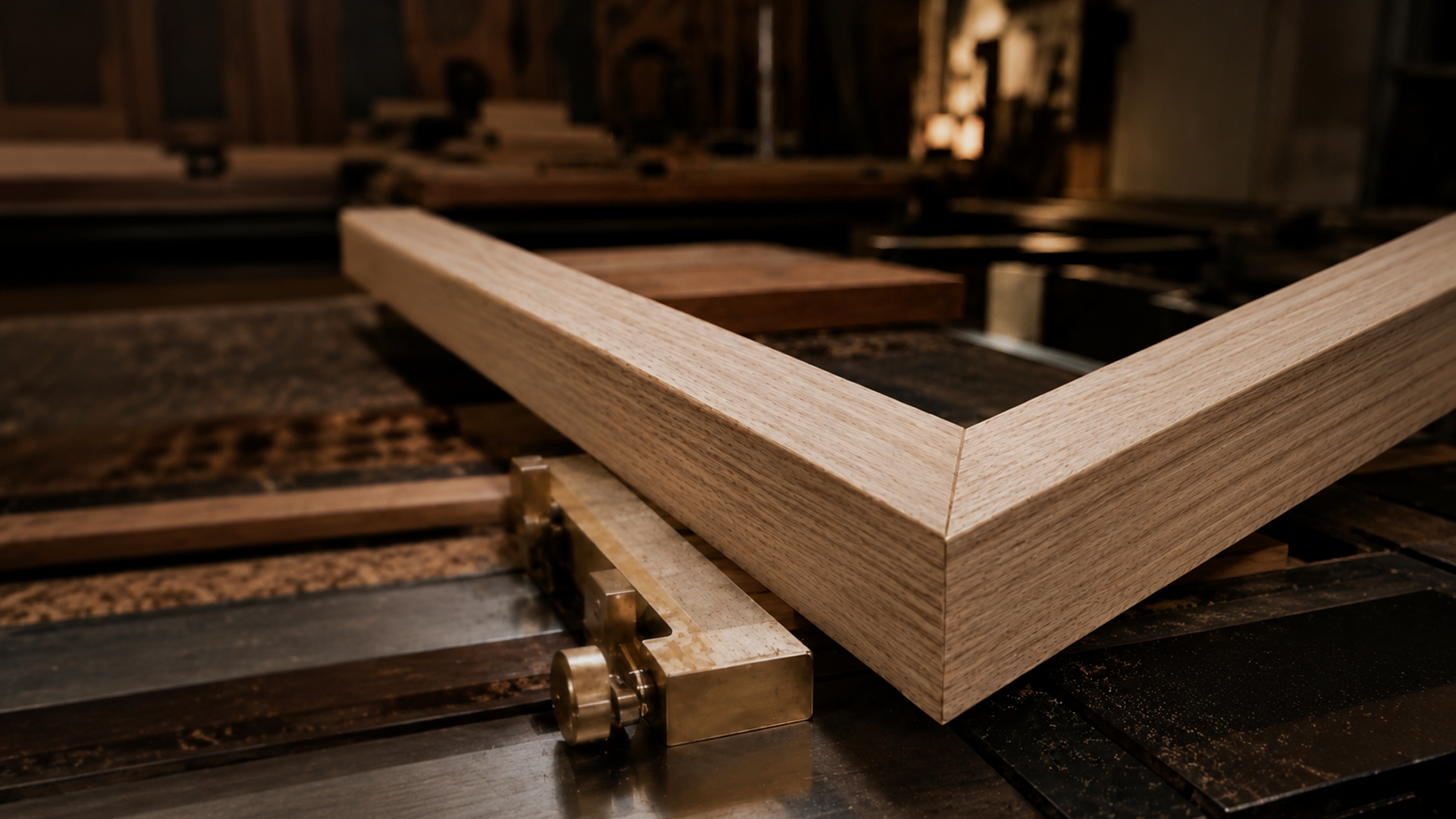
Pick up a well-made wooden chair. Turn it over. No screws. Just wood fitted into wood, precisely, the way it has been done for centuries. That is joinery. That is the whole trick.
Table of Contents
- What Is Wood Joinery and Why Does It Matter in Furniture Making?
- Why Traditional Indian Furniture Uses Joinery Instead of Metal
- Mortise and Tenon: The Classic Joint Behind Strong Furniture
- Dovetail Joints and Their Role in Traditional Woodworking
- Dowel and Peg Joints Used in Indian Furniture
- Lap, Butt and Other Essential Wood Joints Explained
- How Indian Artisans Choose the Right Joint for Each Piece
- Why Wood Movement Matters in Traditional Joinery
- The Craftsmanship Behind Furniture Made Without Nails and Screws
- How Casa Carigar Keeps Traditional Joinery Relevant Today
What Is Wood Joinery and Why Does It Matter in Furniture Making?
Types of wood joints answer an old problem: how do you connect two pieces of wood so they hold, move, and age together instead of pulling apart.
A nail fights the wood. A joint works with it. That difference decides whether a table survives one decade or four.
Why Traditional Indian Furniture Uses Joinery Instead of Metal
Wood expands in the monsoon and contracts in the dry months, quietly, all year.
Metal screws do not move with it, so they choke the fibre, and the wood splits around the very thing meant to hold it together.
Joinery lets the wood breathe instead. Not nostalgia. Engineering that predates the word.
This thinking runs through the Casa Carigar manifesto, where mass production is treated as an absence and the material, whether Mysuru teak or something rarer, dictates the design.
Mortise and Tenon: The Classic Joint Behind Strong Furniture
The mortise and tenon joint is where most Indian furniture making begins. One piece is cut with a slot, the mortise.
Another is shaped into a tongue, the tenon. The tongue slides in, and the two become one continuous piece under load. It shows up in:
- Chair and table legs meeting the frame
- Bed posts joining the headboard
- Door and window frames in older Indian homes
Simple in concept, unforgiving in execution. A tenon cut a millimetre off will never sit right.
Dovetail Joints and Their Role in Traditional Woodworking
Dovetail joints in furniture are the ones you are meant to see. Interlocking wedge-shaped fingers, cut precisely enough to resist being pulled apart along the grain.
Drawers use them constantly, since a weak corner joint fails first under repeated pulling.
A well-cut dovetail is also, quietly, a signature. Look at the spacing of the fingers, and you are looking at a carpenter's hand.
Dowel and Peg Joints Used in Indian Furniture
Where mortise and tenon feels architectural, dowel and peg joints are the quieter workhorses.
A dowel is a round wooden pin, driven through drilled holes to lock two pieces in alignment.
Pegs work at a smaller scale, reinforcing a joint from the side. Common in cabinet backs and shelving.
Nothing showy. Just the reason a piece stays square for thirty years instead of five.
Lap, Butt and Other Essential Wood Joints Explained
Not every joint needs to be a feat of engineering. Some just need to be correct for the job.
- Butt joint – two flat ends meet directly, used where strength requirements are low
- Lap joint – one piece overlaps another; material is removed from both so they sit flush
- Bridle joint – an open-sided variation of mortise and tenon, used at corners
- Tongue and groove – a ridge on one plank fits a channel on another, used in flooring
A single piece of furniture might combine four or five joints, each chosen for what that junction needs to survive.
How Indian Artisans Choose the Right Joint for Each Piece
The joint is never decided first. The wood is. A carpenter reads the grain and density before choosing how two sections should meet.
At AKFD Studio, this thinking stays visible, with exacting workshop joinery exposed on pieces like the Clutch Coffee Table, where solid Acacia and Mango are joined without concealed fasteners.
Near The Studio Grain, generations of regional knowledge produce something closer to a puzzle.
Their metal-free joinery lets pieces like the Kari Wall Shelf lock together tool-free.
Why Wood Movement Matters in Traditional Joinery
A joint that looks perfect on the day it is made can fail within a year if it ignores how the wood will move afterward. Traditional joinery accounts for seasonal expansion by leaving room within the joint itself, rather than clamping everything rigid. That is why old wooden furniture so often outlasts furniture assembled with screws and glue.
The Craftsmanship Behind Furniture Made Without Nails and Screws
Some of the most interesting work happens where joinery stops being purely structural.
At b.form studio, the Gom Coffee Table hides a chess drawer inside stacked, interlocking teak volumes, sliding out without a single metal track.
Home of Chirmi's Phalanx Console Table uses hand-shaped hardwoods that interlock like protective shields.
At Burada by Angira, chests like the Cosmos of Twelve slide on hand-fitted wooden channels rather than metal rollers, a technique that depends on the carpenter getting the alignment right the first time.
No track to correct for error later. Just the wood, and the hand that shaped it.
How Casa Carigar Keeps Traditional Joinery Relevant Today
None of this is preserved out of sentiment. It works better than the alternatives on offer today.
Every piece we curate carries this thinking inside it, whether announced on the surface or built quietly into a drawer nobody sees until they open it.
Explore the collection on our home page.
Conclusion
The next time you sit on a wooden chair, run your hand along where the arm meets the leg.
Somewhere in that seam is a decision a carpenter made about grain and movement and what would still be standing decades from now.
That decision, repeated across generations, is what traditional furniture making actually is.
FAQs
What are the strongest types of wood joints?
Mortise and tenon, dovetail, and well-fitted dowel joints are generally considered the strongest, since they distribute load across a larger interlocking surface rather than relying on a single point of contact.
What is the strongest joint for furniture?
For structural furniture like chairs and tables, mortise and tenon remains the standard, prized for how well it resists both pulling and twisting forces.
What is the most common wood joint?
The butt joint is the most common, largely because it is the simplest to cut, though it is also among the weakest without reinforcement.
Why are traditional wood joints better than screws?
Wood joints move with the timber as it expands and contracts across seasons, while metal screws stay rigid and can split the wood around them over time.
Casa Carigar
From the Casa Carigar workshop