Types of Wood Used in Indian Furniture: A Complete Material Guide
Types of Wood for Furniture: A Guide to Indian Timbers
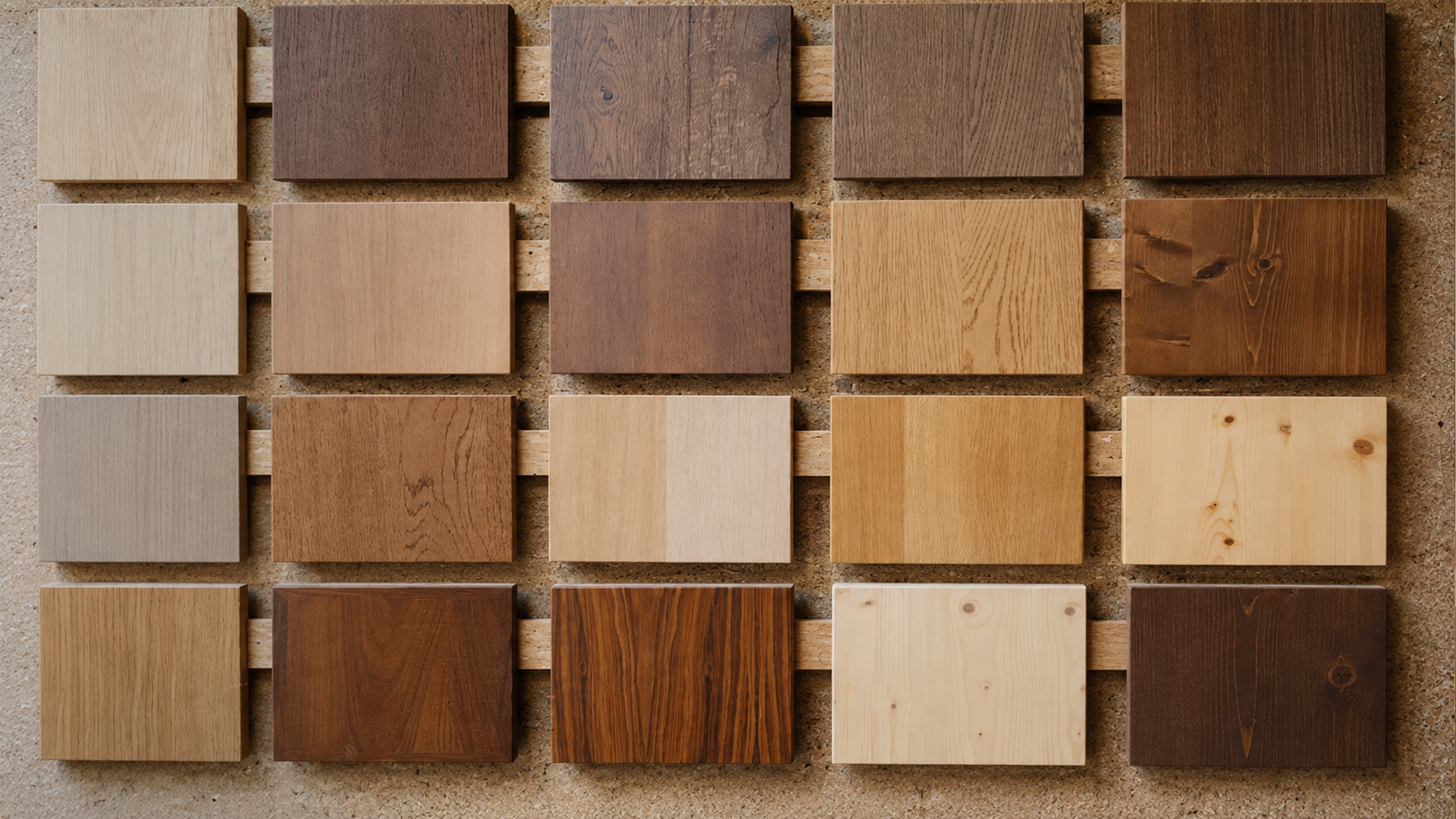
Most furniture decisions start with a shape.
They should start with the types of wood for furniture, since that choice decides how a piece ages and survives the monsoon, more than any of the types of wood for furniture catalogues admit.
This guide covers the types of wood for furniture that matter here, not an imported list.
Table of Contents
Hardwood, Softwood and Engineered Boards: The Three Categories
Teak: The Benchmark for Stability and Weather Resistance
Sheesham: India's Most Widely Used Furniture Hardwood
Mango, Acacia and Sal: The Everyday Indian Hardwoods
Pine, Rubberwood and Imported Softwoods
Matching the Right Wood to the Piece and the Climate
Sourcing, Sustainability and What Responsible Timber Means
How Casa Carigar Selects Wood for Handcrafted Furniture
Hardwood, Softwood and Engineered Boards: The Three Categories
Hardwood vs softwood furniture is where the types of wood for furniture conversation starts.
Hardwood comes from slow-growing trees like teak and sheesham, dense and durable; softwood comes from faster conifers, lighter and prone to dents.
Engineered wood vs solid wood is the third question.
Boards resist warping better, the usual engineered wood vs solid wood trade-off, but cannot take carving or re-finishing the way solid timber can, which is engineered wood vs solid wood in a sentence.
Indian hardwood furniture leans on hardwood for this reason.
Teak: The Benchmark for Stability and Weather Resistance
Teak, or sagwan, is the reference point among the types of wood for furniture in India, and teak wood characteristics explain why: tight growth rings, high oil content, and resistance to warping, termites, and moisture.
The Studio Grain's Handcrafted Furniture Catalog shows how Himalayan teak is worked into clean-lined pieces, teak wood characteristics intact.
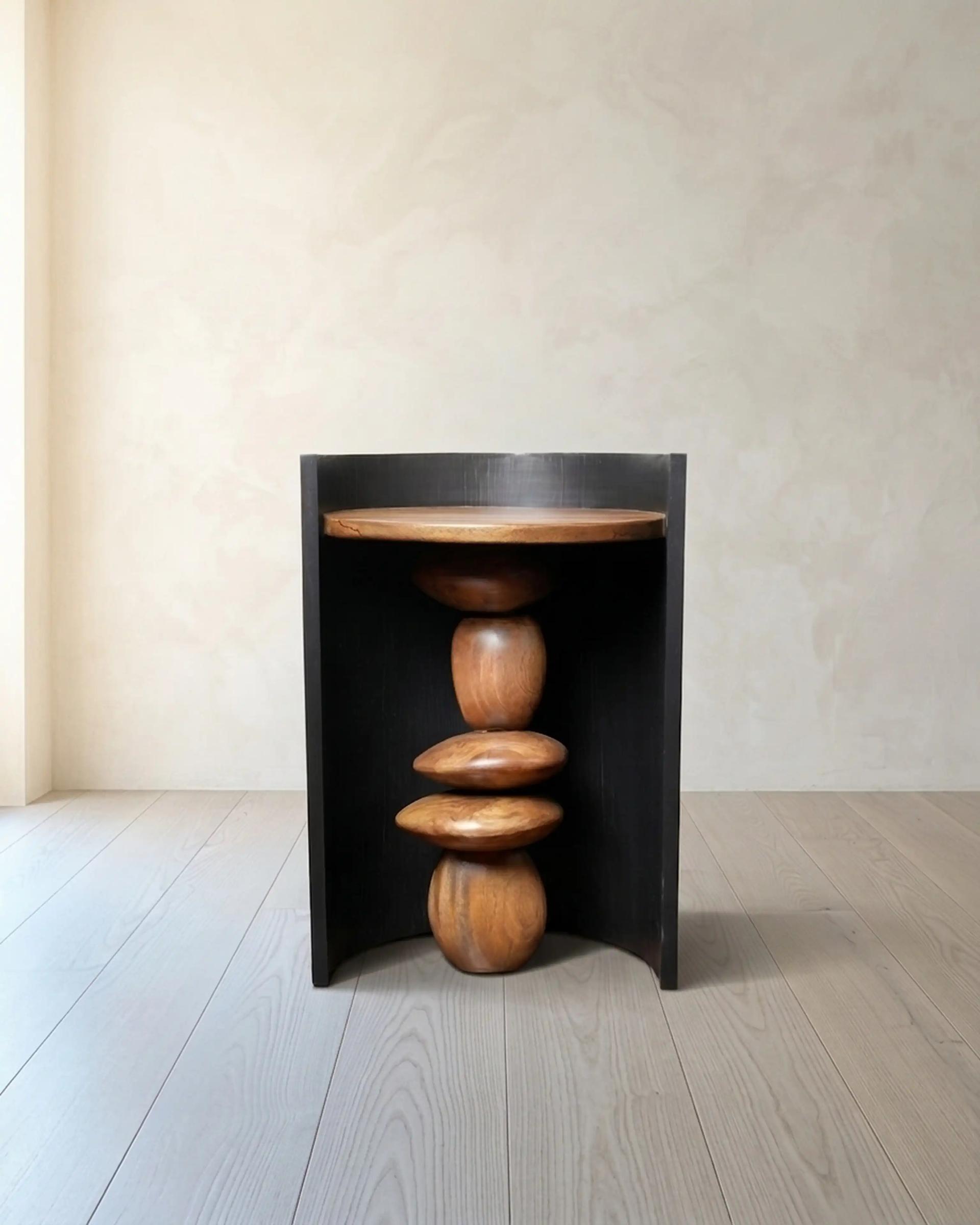
The Studio Grain
Kari Zen TableTeak sits comfortably in the upper wood density and Janka rating range, one of the teak wood characteristics that outlasts most rivals.
Sheesham: India's Most Widely Used Furniture Hardwood
Among sheesham wood properties, versatility stands out: the default hardwood for dining tables and study desks.
Also called Indian rosewood, it is heavy and dense, with dramatic, high-contrast grain running through light and dark bands.
Warm sheesham brings structural permanence to dining and study pieces; sheesham wood properties are visible across AKFD Studio's Dining and Accent Chairs Collection, another set of sheesham wood properties worth noting.
Among the types of wood for furniture in daily use, sheesham takes the most knocks and shows the least wear.
Mango, Acacia and Sal: The Everyday Indian Hardwoods
Mango wood furniture is sustainable, expressive timber at an honest price. Mango trees stop bearing fruit after some years, and the wood is repurposed.
Acacia and sal wood follow a similar native path, with strong shock resistance once kiln-seasoned.
Native acacia and sal wood, with expert joinery, ground pieces like those in AKFD Studio's Fold Architectural Furniture Range, alongside mango wood furniture from the same workshops.
Mango wood furniture and acacia and sal wood belong on any honest list of Indian hardwood furniture, priced for everyday homes.
Pine, Rubberwood and Imported Softwoods
Not every piece needs a hardwood, which is the plainer side of hardwood vs softwood furniture: use, not budget.
Pine suits shelving more than a chair. Rubberwood sits between the two on any hardwood vs softwood furniture scale, denser than pine, softer than teak.
High-density ash carves linear outlines, the approach behind BEC Furniture's Architectural Work Tables, while solid oak suits open layouts, shown through Taro Collective's Furniture Shop.
Matching the Right Wood to the Piece and the Climate
The best wood for humid climates is rarely the lightest option in the shop, and knowing the types of wood for furniture that suit monsoon saves a costly mistake.
Coastal regions need a respectable wood density and Janka rating, which pushes teak and sheesham ahead of softer, thirstier woods, a key part of choosing the best wood for humid climates.
Reclaimed sleeper wood and seasoned outdoor teak resist rain and sun without rotting, as seen in The Garden Room's Loungers Collection, one more answer to what counts as the best wood for humid climates.
Indoors, engineered wood vs. solid wood returns as a question: boards stay flat for sculptural carving, as in La Dimora Selections' Handcrafted Furniture Collection.
For nurseries, dense hardwood with non-toxic coatings matters more than any wood density and Janka rating figure, as with Waddle and Roo's Baby Cots Collection.
Sourcing, Sustainability and What Responsible Timber Means
Sustainable timber sourcing in India depends on means, not species. Kiln-seasoned, plantation-grown acacia and sal wood are kinder on forests than slow hardwoods cut faster than they regrow.
Reclaimed timber, central to sustainable timber sourcing in India, goes further: wood already seasoned by decades of use, salvaged rather than felled.
Seasoned, reclaimed timber worked into storage furniture carries weight, part of sustainable timber sourcing India, the technique behind Indune's Rustic Vintage Storage Cabinets.
Sustainable timber sourcing India is not a certificate. It shows in the types of wood for furniture a maker actually stocks.
How Casa Carigar Selects Wood for Handcrafted Furniture
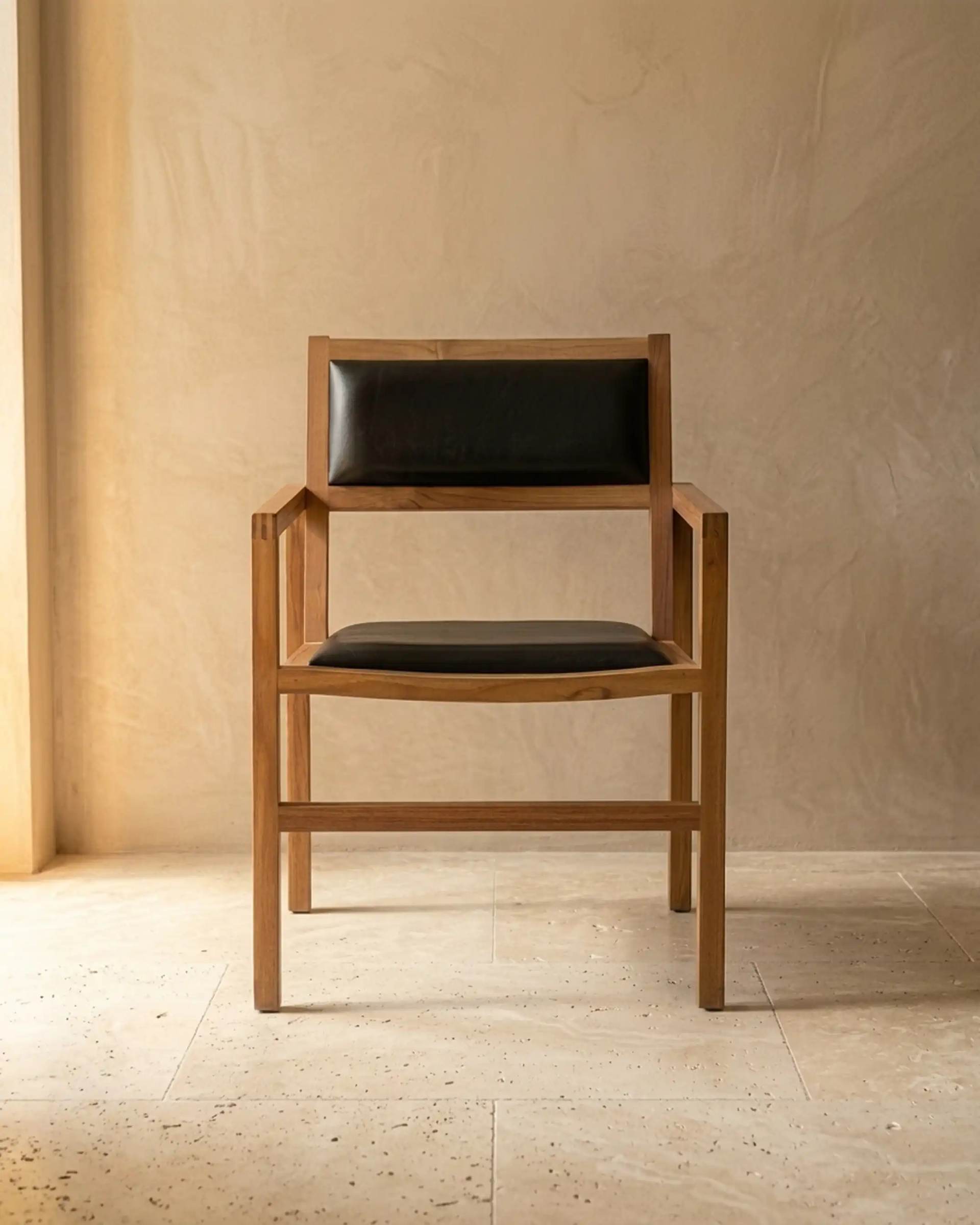
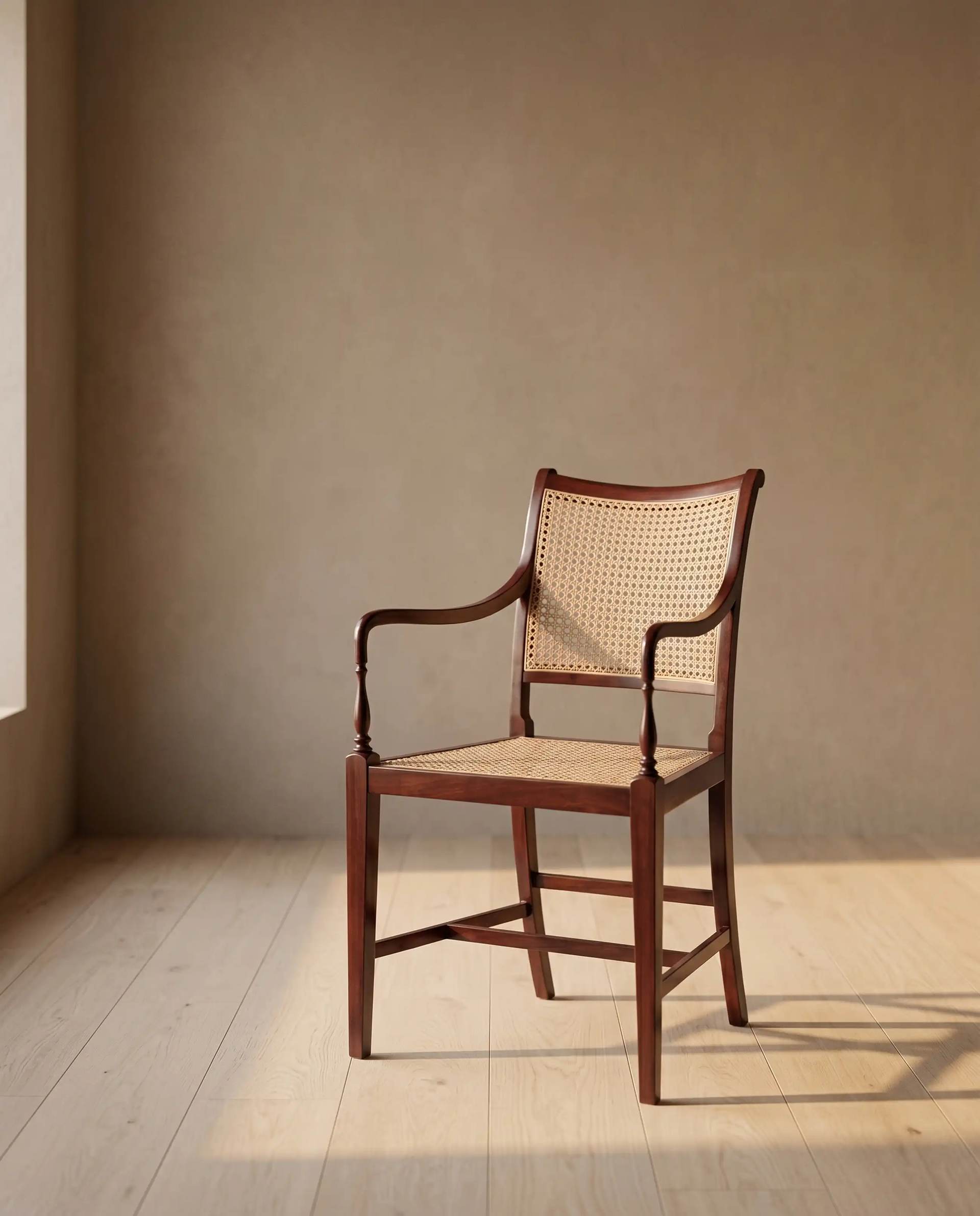
Every maker on Casa Carigar is audited, and wood is specified by species. Whether teak wood characteristics or sheesham wood properties, makers here name the species, which is what material honesty means for Indian hardwood furniture.
Explore the types of wood for furniture across our wood furniture collection.
Named by species
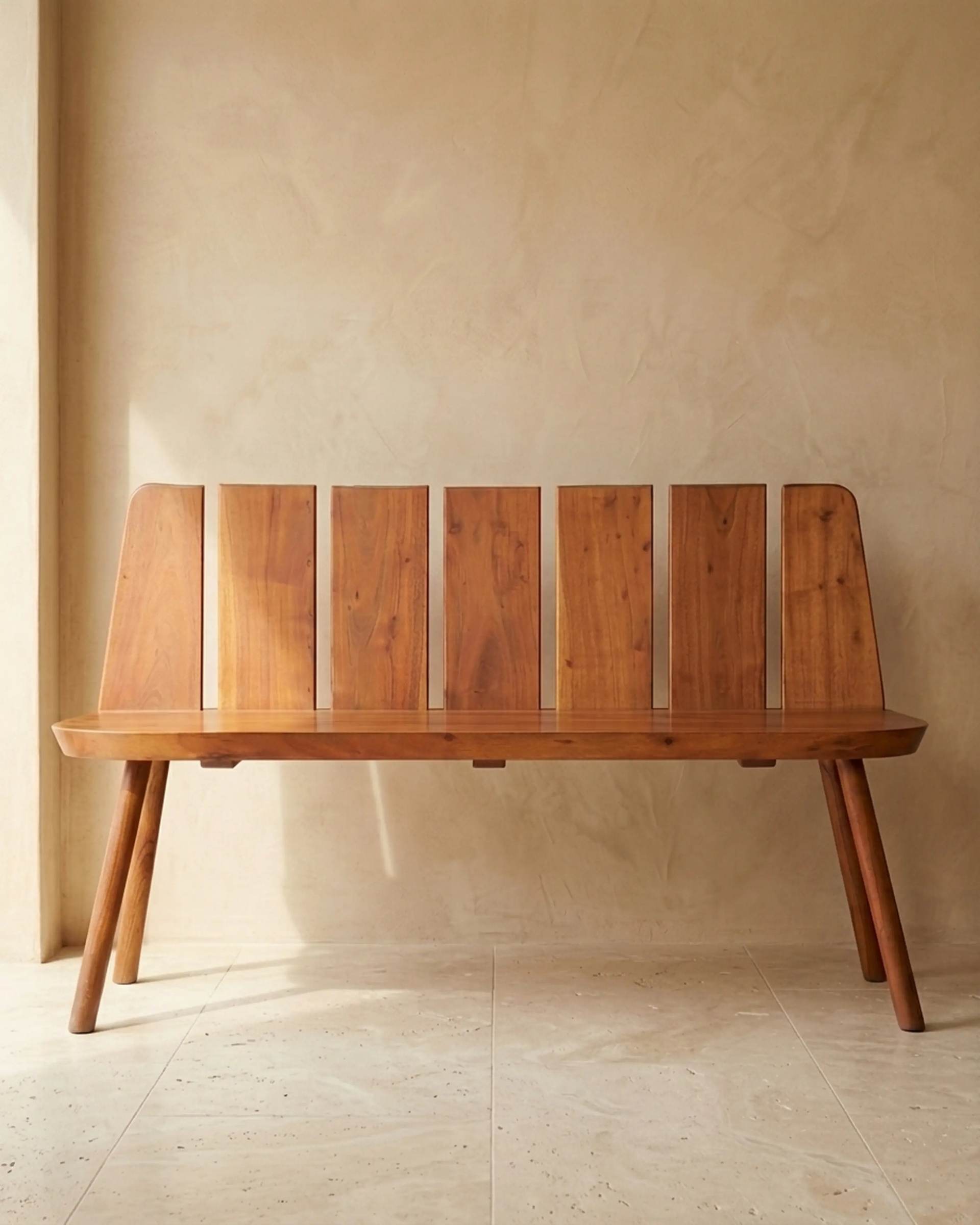
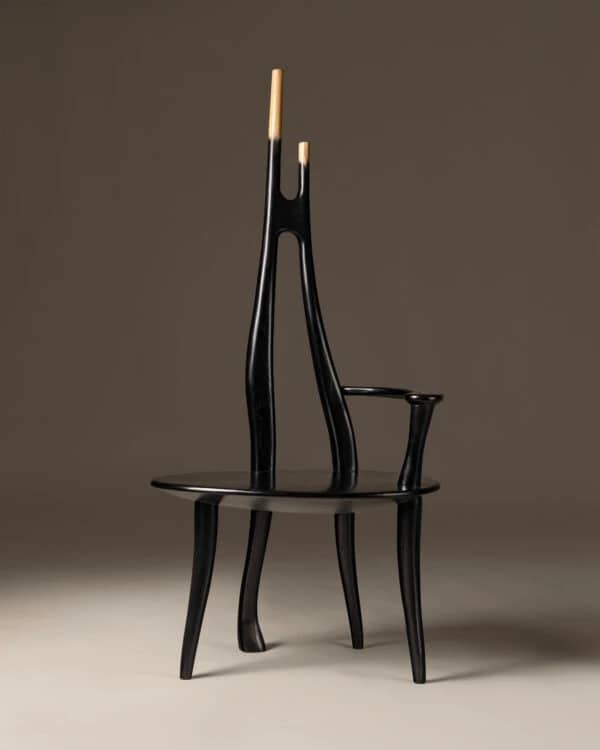
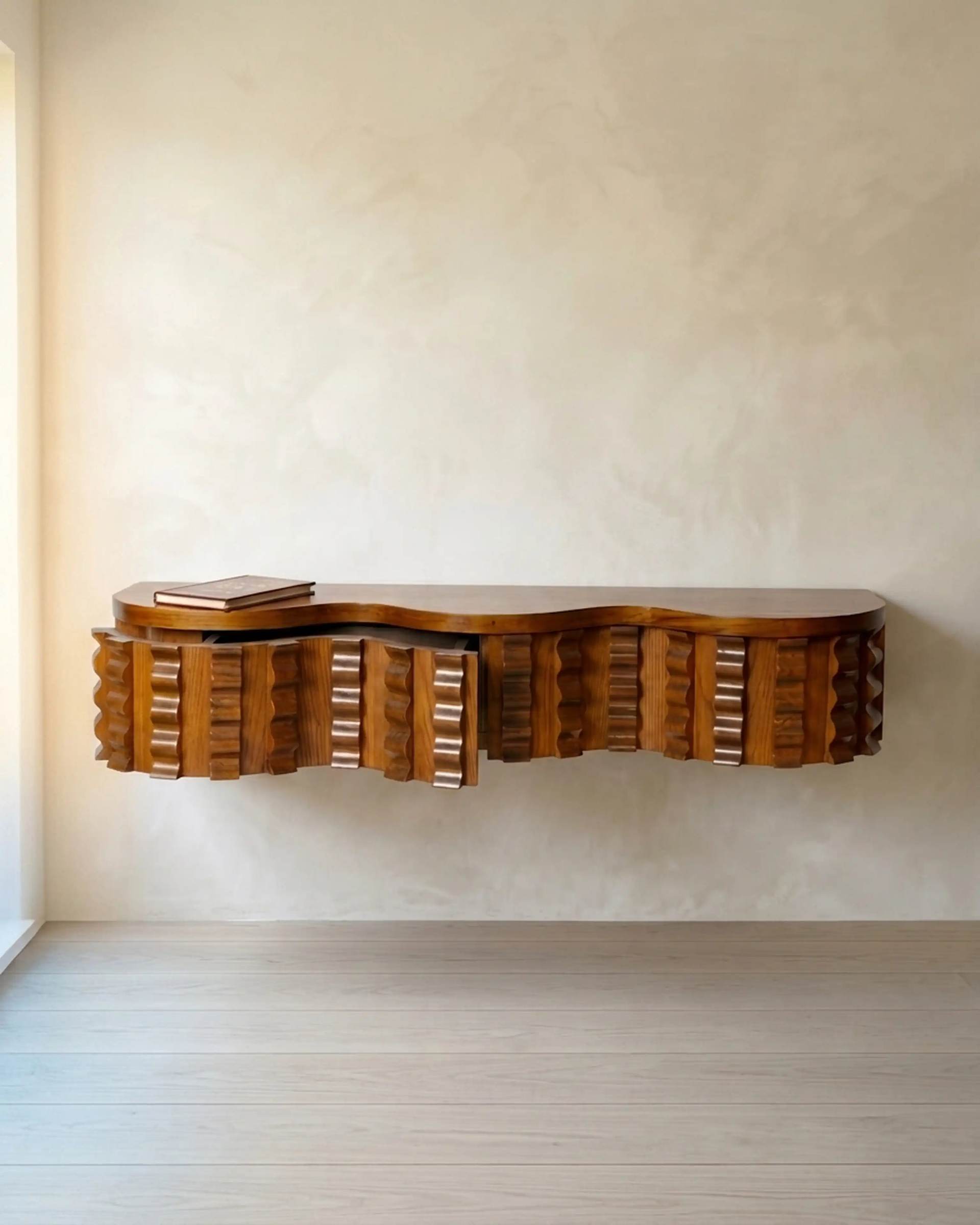
Pieces in teak, sheesham, mango, acacia, ash and oak, from the studios.


Conclusion
Good furniture starts underground, in a tree ring nobody in the room will see. The types of wood for furniture chosen decide how a piece ages, not how it looks on day one.
That is the case for the types of wood for furniture question, asked before the style question.
FAQs
Which wood is best for furniture in India?
Teak, for its resistance to humidity and termites. Sheesham follows close. Among the types of wood for furniture sold here, these two carry the climate best.
What is the difference between hardwood and softwood?
Hardwood vs softwood furniture comes down to density and growth speed. Hardwoods like teak and sheesham grow slowly and last decades; softwoods like pine grow fast and wear faster.
Is mango wood durable enough for everyday furniture?
Yes, when properly kiln-seasoned. Mango wood furniture handles daily use well, though it asks for more care than teak in a wood density and Janka rating comparison.
Which wood holds up best in humid coastal homes?
Teak, by a clear margin. Its natural oils make it the best wood for humid climates, with sheesham a strong second among Indian hardwood furniture options.
Casa Carigar
From the Casa Carigar workshop