Sound of Craft
A day spent listening
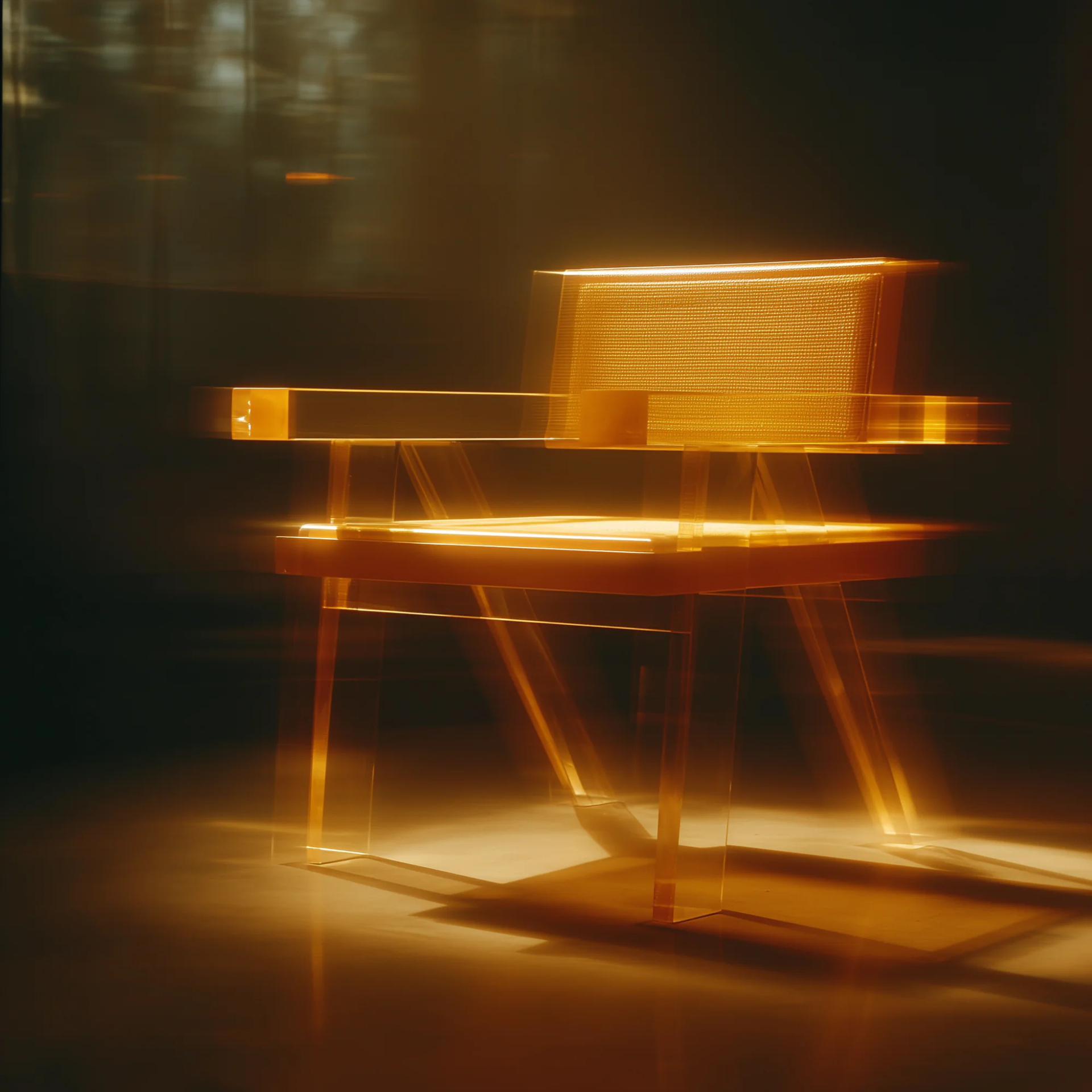
I thought I would notice the furniture first.
The shapes, the joints, the half-finished pieces leaning against walls. But what stayed with me wasn’t what I saw. It was what I heard.
The workshop announced itself through rhythm. A hammer landing, then a pause. The scrape of a chisel, followed by a soft release. Rope pulled tight and let go. Somewhere, metal met heat and answered back with a low hiss. Before any object took form, the space had already begun speaking.
At first, I didn’t know where to stand. I kept stepping aside, worried I was in the way. Everyone else seemed to move with a certainty that didn’t feel hurried. The work flowed around me without needing my attention.
When the carpenter lifted his hammer, he didn’t stare at the wood. He listened. Each strike landed with the same measured force. Not too sharp. Not tentative. When the sound shifted - just slightly - he stopped.
I asked him how he knew.
He struck the wood again and waited.
“You hear it settle,” he said. “That’s when you stop.”
Later, someone placed a chisel in my hand. It was heavier than I expected. My first attempt was clumsy. The sound gave me away immediately - too loud, too impatient. The wood resisted.
Without comment, someone adjusted my grip. The next cut sounded different. Quieter. The chisel slid instead of fighting. I hadn’t changed much, but the sound had. That was the lesson.
In another corner, a charpai was being woven. Rope passed through the frame in steady loops. Each pull made a low, dull note. The woman weaving leaned back with her weight, then released. Again and again. The tension wasn’t measured with tools. It was felt!
I pressed the surface with my palm. It was firm, almost unforgiving.
“It will soften,” she said. “But only for the person who uses it.”
The bed wasn’t finished. It was waiting.
As the day wore on, individual sounds blurred into a pattern. Strike. Pause. Pull. Release. When something went wrong, the rhythm broke. Someone stopped. Adjusted. Began again. No one raised their voice. The work corrected itself.
What surprised me most was how little was said. Instruction travelled through sound. You could hear when something wasn’t right. The pitch shifted. The resistance changed. The material answered back long before anyone needed to intervene.
By the time a table leg was finished, the workshop had grown quieter. Not because the work was gentle, but because it was resolved. The hammer rested. The chisel lay still. The noise had already done its work.
When I finally ran my hand over the finished piece, it felt calm. Balanced. Uninterested in impressing me.
That calm wasn’t aesthetic. It was earned.
I left the workshop with my ears tuned differently. Chairs creaked more honestly. Tables revealed their joints through touch. Objects felt less silent than I remembered.
Craft, I realised, isn’t just about shaping material.
It’s about listening long enough for it to stop arguing - and become something that can stay.
Casa Carigar
From the Casa Carigar workshop