Handmade vs Machine Made Furniture and Decor: An Honest Comparison
Handmade vs Machine Made Furniture: How to Tell Them Apart
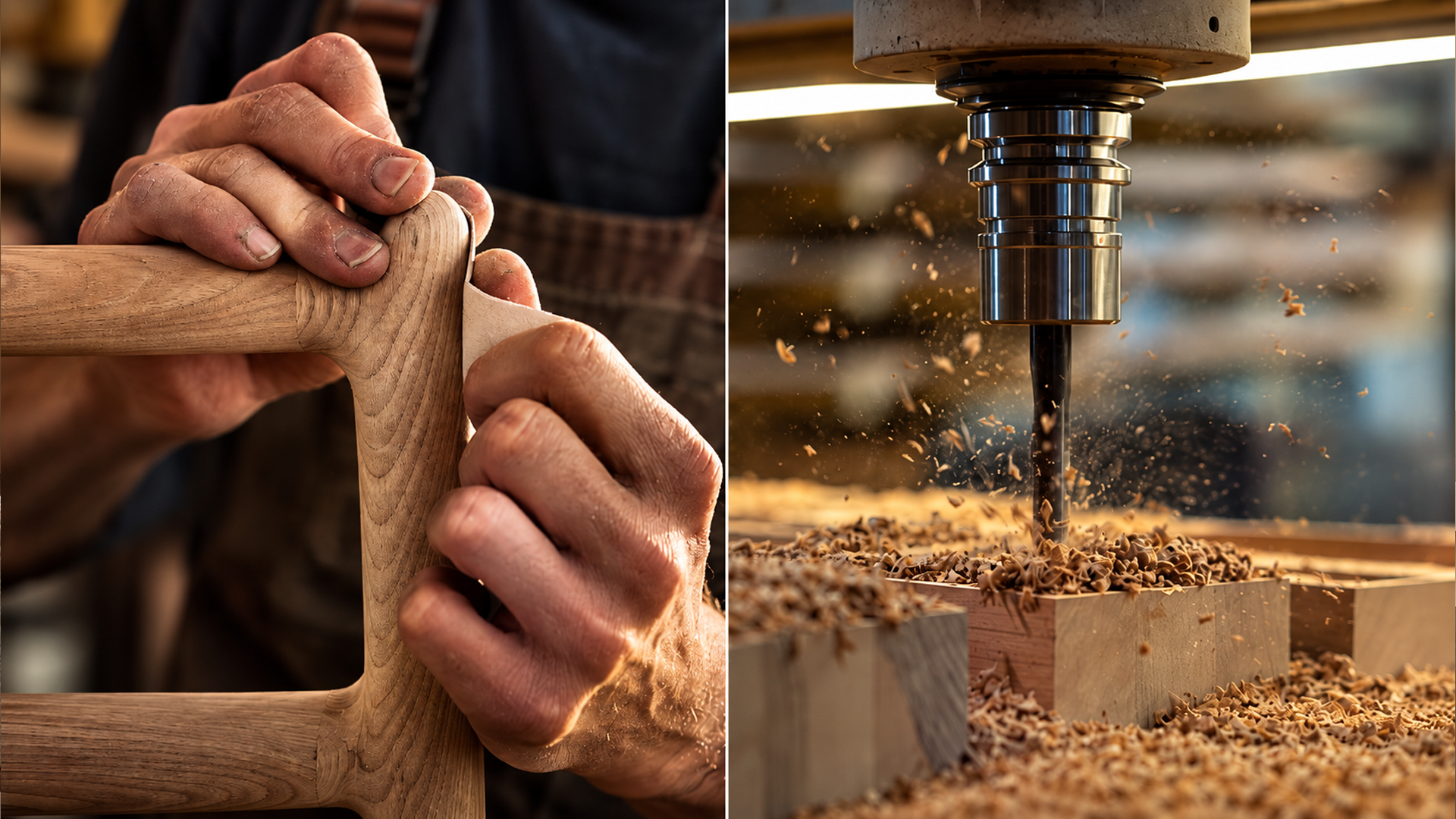
Every showroom claims artisan roots now, though handmade vs machine made furniture used to answer itself at a glance.
This guide is how to identify handmade furniture before the label does the talking for you.
Table of Contents
What Actually Separates Handmade From Machine Made Production
Reading the Joinery, Edges and Surface Finish
What the Underside, Back and Drawer Interiors Reveal
Material Variation and Why Perfect Uniformity Is a Signal
Where Machine Made Genuinely Makes More Sense
Handmade Decor: Ceramics, Textiles and Metalwork Compared
Repairability, Longevity and the Real Cost Over Time
How Casa Carigar Works With Indian Artisans
What Actually Separates Handmade From Machine Made Production
Handmade vs machine made furniture is not really about tools. A carpenter with a router works by hand.
Slow production vs mass manufacturing is the real divide: one piece at a time against a thousand units.
Mindful workshops blend both, a frame cut for accuracy, joints fitted by hand, shown in AKFD Studio's philosophy and studio journey. Machines assist, hands decide, and that is handmade vs machine made furniture, honestly.
Reading the Joinery, Edges and Surface Finish
Hand cut vs machine cut joinery is the first place to look. Machine joints repeat flawlessly; hand cut vs machine cut joinery shows in a dovetail tighter on one side, proof of chisel over jig.
That dovetail is hand cut vs machine cut joinery in miniature.
Tool marks and hand finishing go together. A palm across an edge tells the story.
Tool marks and hand finishing leave faint waves, found on hulls like BEC Furniture's storage and console systems, tool marks and hand finishing rarely hidden for long.
Signs of factory made furniture show up at corners, sharp, locked by staples, not a fitted tenon, most of how to identify handmade furniture at a glance.
What the Underside, Back and Drawer Interiors Reveal
Flip it over. Signs of factory made furniture hide least well here, unseen by most buyers.
Handmade undersides show saw marks left unsanded, construction visible, not concealed. Machine backs are flat and featureless.
Drawer interiors follow the same rule, one more of the signs of factory made furniture.
A dovetail shows variance pin to pin on a handmade piece, the same pin repeated on a machine cut one.
Handmade vs machine made furniture rarely hides this well.
Material Variation and Why Perfect Uniformity Is a Signal
Material variation in handcrafted pieces is part of handmade vs machine made furniture from the first grain, running differently across two chairs from the same batch, since no tree grows to spec.
Perfect uniformity is the opposite signal. Machine finishing sands and stains until every unit matches, the surest of all signs of factory made furniture, a reminder in how to identify handmade furniture by its absence.
Artisan decor vs mass produced decor plays out in smaller objects too, a clay pot fired unevenly next to a mould-cast one with no material variation in handcrafted pieces at all, artisan decor vs mass produced decor visible in the glaze.
Where Machine Made Genuinely Makes More Sense
Handmade vs machine made furniture is not a contest. Flat pack shelving and office chairs bought in volume often do better machine cut, priced fairly, less material variation in handcrafted pieces to account for.
Slow production vs mass manufacturing has its place on both sides.
A hundred desks for a co-working floor need no carpenter's week each, budget mattering more, and slow production vs mass manufacturing knows when to step back.
Handmade Decor: Ceramics, Textiles and Metalwork Compared
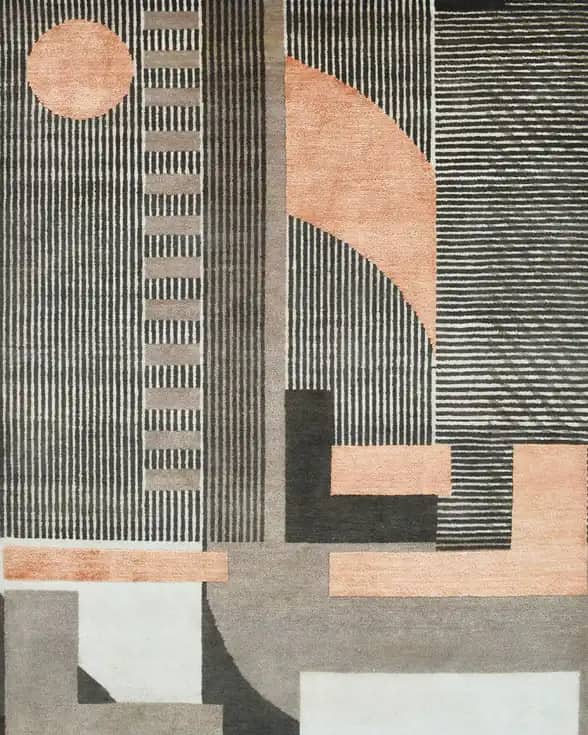
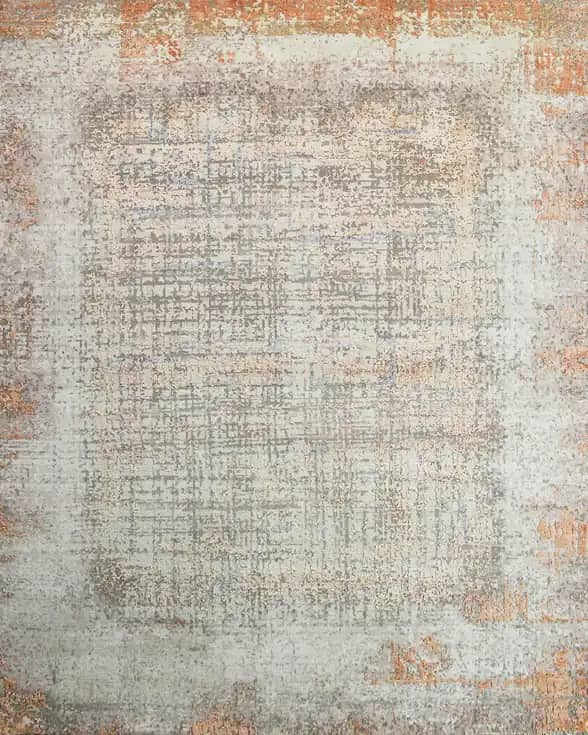
Handmade ceramics and textiles show the same tells as furniture, a hand-knotted rug carrying tied nodes and pattern drift, unlike a loom's exact repeat, visible across Cocoon Fine Rugs' Pret Collection.
Metalwork follows suit, the metal cousin of handmade ceramics and textiles. Small batch forging builds a patina by hand, where factory electroplating chips flat, shown through 3200 BC's craft catalog.
Handmade ceramics and textiles reward a slower process, seen in F Six Homes' statement pots and urns, a tool marks and hand finishing effect no mould reproduces twice. That is handmade ceramics and textiles at their most convincing.
Decor from the studios
Rugs, metalwork and terracotta, from the studios named above.


Repairability, Longevity and the Real Cost Over Time
Repairability of handcrafted furniture earns back the higher price.
A hand cut joint can be reglued and re-fitted by the same methods that built it, an argument for handmade vs machine made furniture over years.
Machine cut joints, once a staple pulls, are cheaper to replace than mend. Repairability of handcrafted furniture protects material variation in handcrafted pieces, since a repaired joint keeps the colour of the original, one more proof of repairability of handcrafted furniture.
Indian artisan craftsmanship carries this repair knowledge forward, the reasoning behind Anantaya's handmade furniture collection.
How Casa Carigar Works With Indian Artisans
Every maker on Casa Carigar is audited, construction included, since handmade vs machine made furniture should never be left to guesswork.
Indian artisan craftsmanship is named on the page. Whether hand cut vs machine cut joinery, ceramics, or brass, the platform states what is handmade vs machine made furniture and what is not, and indian artisan craftsmanship is the reason it can.
Explore artisan decor vs mass produced decor across our handcrafted furniture collection, where indian artisan craftsmanship is stated, not assumed.
Conclusion
Handmade vs machine made furniture is not always about which side wins. It is about what a piece was built for, and whether its maker is honest.
A chair that ages with its owner, repaired rather than replaced, is what slow production vs mass manufacturing was always meant to protect. That is handmade vs machine made furniture, decided rightly.
FAQs
How can you tell if furniture is handmade?
Check the joinery, the underside, and the finish.
How to identify handmade furniture comes down to small irregularities a machine would never leave behind.
Is handmade furniture always better quality?
Not always. Handmade vs machine made furniture depends on the piece. A well engineered machine cut item can outlast a poorly made handmade one.
Why does handmade decor cost more than factory made?
Artisan decor vs mass produced decor reflects hours, not just material. Indian artisan craftsmanship takes longer per piece, and that time is the cost.
Can machine made furniture last as long as handmade?
Sometimes, for simple forms. But repairability of handcrafted furniture wins over decades, since a hand built joint can be mended, not discarded.
Casa Carigar
From the Casa Carigar workshop